Home · Termite services · Termite inspection
Foundation · crawl space · attic · findings explained on the spot
Termite inspection
You have seen something you do not like — a mud tube, a soft skirting board, a pile of wings on the sill. An inspection tells you whether termites are active, where they are getting in and what it will take to stop them. Call and we put you through to a local termite company.
- Real person answers, day or night
- Same/next day appointments in most areas
- Price agreed before work begins
- Nationwide network of local termite companies
Is this what you have?
The signs
- Mud tubes running up the foundation, piers or crawl space walls
- Timber that sounds hollow when you tap it, or gives under a screwdriver
- Piles of small wings, all the same length, by windows and doors
- Paint that is blistering or bubbling for no obvious reason
- Doors and windows that have suddenly started sticking
- Tiny wood-coloured pellets collecting below timber — drywood termites
Heads up. Leave the evidence alone until the inspector has seen it. Live mud tubes are how they confirm activity and trace the entry point, and intact pellet piles tell them which species they are dealing with. If you have already cleared some away, photograph it and say so.
On the day
What the technician does
- Outside first
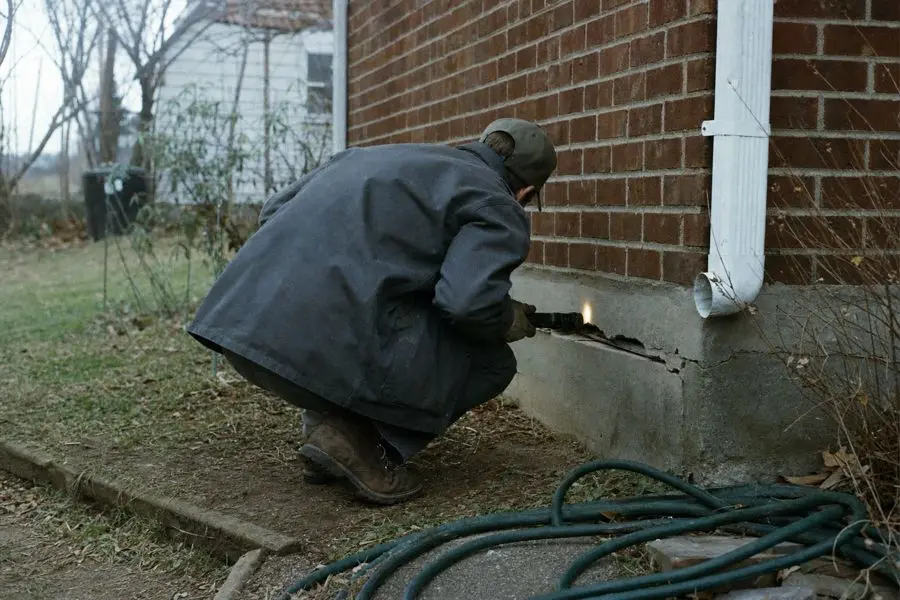
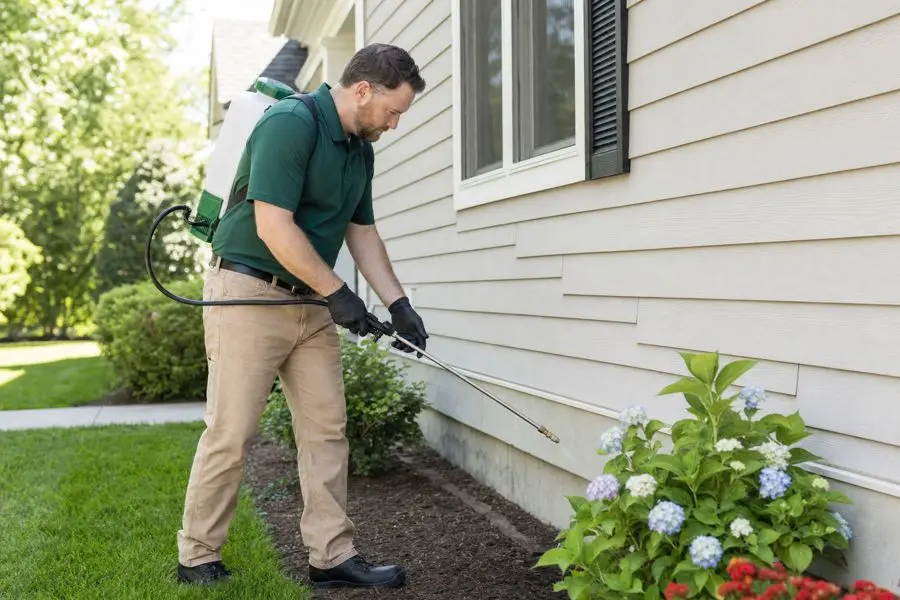
The inspector walks the whole perimeter looking at the foundation, the grade level, expansion joints, porches, steps, any timber touching soil, and the condition of the siding where it meets the ground.
- Crawl space or basement
Piers, sills, joists and sub-floor timber get probed and sounded. This is where subterranean termites usually show up first, and where the damp that attracts them tends to sit.
- Inside and the attic
Skirting boards, door frames, window sills, the garage, and any accessible attic timber. Plumbing penetrations and slab cracks get particular attention because they are common entry routes.
- Findings and a quote
You get told what was found, which species, how far it has spread and what treatment they recommend — with the price in writing before anything is booked.
Practical
Getting ready, and what it runs
Preparation
Clear access to the crawl space hatch, the garage walls, the water heater and the perimeter of the house. Move stored boxes off the garage floor and away from the walls.
How long it takes
Most homes take one to two hours. A large house, a full basement or a difficult crawl space takes longer.
What it costs
Some companies charge for the inspection, some do it free, and many credit the fee against the treatment if you go ahead. Ask which applies before they come out.
What moves the price
- Size of the house and number of storeys
- Slab, crawl space or full basement construction
- How accessible the crawl space and attic are
- Whether a moisture assessment is included
Questions
Termite inspection — questions we get a lot
How often should a house be inspected?
Once a year is the usual advice in termite country, and most treatment warranties require an annual inspection to stay valid. If you have never had one and the house is more than a few years old, that is a reasonable place to start.
Will they find termites if there are none?
A competent inspector will tell you the house is clear and say so in writing. If someone finds an emergency at every house and pushes for a decision on the spot, get a second opinion.
Can they inspect if the crawl space is tight or wet?
They will tell you what they could not reach and why. Anything inaccessible should be written down as inaccessible rather than quietly skipped.
What if they find damage?
The inspection tells you how far it has gone. Structural repairs are a separate job from killing the colony — see termite wood repair.
 Termite treatment
 Termite fumigation
 Termite wood repair
 Termite prevention plans
Get it looked at properly
Open 24 hours. Describe what you are seeing and we will put you through to a local company.